
7 Best Point and Shoot Cameras for an African Safari


Embarking on an African safari? You’ll need a reliable point and shoot camera to capture those unforgettable moments. But with so many options out there, how do you pick the right one?
In this article, we’ll help you navigate the world of point and shoot cameras. We’ll discuss what features to look for, which models offer the best value, and how to use your camera to its full potential on your safari adventure.
Stay tuned to ensure you’re well-equipped to document the breathtaking landscapes and incredible wildlife you’re bound to encounter on your journey. Your African safari deserves to be remembered in stunning detail. Let’s make sure you’re ready to capture it all.
Canon PowerShot G7
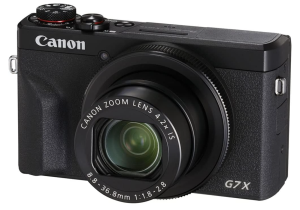 Compact but compelling, the black PowerShot G7 X Mark III blends multimedia capacity into its tiny frame. This clever camera boasts a sophisticated sensor design and flexible imaging options. Think quick focusing, full-resolution shots at up to 20 fps and UHD 4K30p video recording – all thanks to its 20.1MP 1″ CMOS sensor and DIGIC 8 image processor.
Let’s talk lenses.
The G7 X Mark III features a versatile 4.2x zoom lens that covers a 24-100mm focal length range, perfect for wide-angle to short-telephoto shots. Dealing with tricky lighting? An f/1.8-2.8 maximum aperture range has you covered, along with an Optical Image Stabilizer to fight off camera shake. The slim design isn’t just for looks, it also includes a 3.0″ 180 tilting touchscreen LCD for easy navigation and Bluetooth and Wi-Fi for effortless connection to your mobile device.
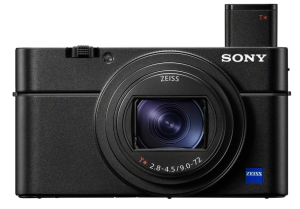 Sony Cyber-shot RX100 VII:
Meet the Sony RX100 VII, a high-end compact camera. It boasts a 20.1MP 1.0-Type stacked CMOS sensor and covers wide 24-200mm zoom range. Its autofocus is speedy at 0.02-Seconds, plus it has real-time tracking along with eye AF for both people and animals.
You can shoot continuously without blackout at a maximum 20 frames per second and record a flurry of action with a single burst at 90fps. The RX100 VII also offers 4K HDR (HLG) video recording, stable footage with its active mode Steady Shot for 4K films, and a mic jack.
Panasonic Lumix ZS200:
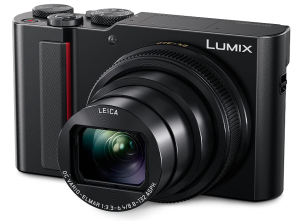 The Panasonic LUMIX Digital Camera DC-ZS200D is a dream for photography lovers! Imagine a camera you can easily carry which offers top-notch optics. It’s got a 15X (24-360mm) LEICA DC VARIO-ELMAR lens and a super steady O.I.S. (Optical Image Stabilizer). What’s more? Inside its compact body, there’s a powerful 1-inch 20.1-megapixel MOS sensor.
This means bright photos even when the light isn’t great, thanks to a F3.3-6.4 aperture range and Panasonic’s HYBRID O.I.S. technology. Remember those special moments by capturing them in vibrant 4K video, which gives you 4X the resolution of Full HD (that’s 3840 x 2160!). Have fun creating printable pictures from videos using the 4K PHOTO’s fast 30 frames per second burst feature.
Nikon COOLPIX B600:
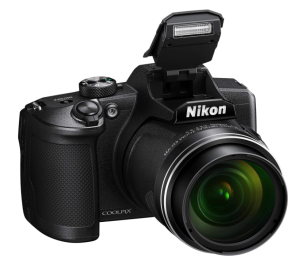
This camera holds a 6MP 1/2.3″ CMOS Sensor, alongside a NIKKOR Super ED 60x Optical Zoom Lens with a range of 24-1440mm (35mm Equivalent). There’s also a 3.0″ 921k-Dot LCD Monitor and Full HD Video Recording at 30p/60i. Plus, it’s compatible with SnapBridge Wi-Fi & Bluetooth BLE. With its ISO of 125-6400, you can shoot up to 7-fps. I
Imagine buying a used and refurbished item that works and appears fresh out of the box. It’s possible with Amazon Renewed, a place for pre-loved, rebooted items. Here’s how it works. A shopper acquires a new item and later sends it back or swaps it for a different or updated model.
This camera has a 60x optical zoom lens, 16-megapixel sensor, and built-in Wi-Fi and Bluetooth connectivity. It also features image stabilization and a fast autofocus system, making it a great choice for capturing wildlife at a distance.
Olympus Tough TG-6:
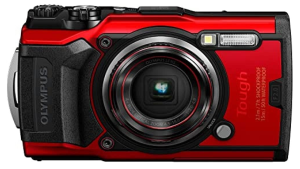 This rugged camera is waterproof, shockproof, and freeze-proof, making it a great option for outdoor adventures. It features a 12-megapixel sensor and a fast f/2.0 lens, allowing you to capture detailed images even in low light conditions.
You’re an outdoor enthusiast. Ascent on rocky mountain paths. Trek privileged desert canyons. Ski amidst wild landscapes. The robust tg-6 is adventure-ready. Constructed to survive any intense environment you like exploring. It’s resilient and sturdy.
It can fall, get stepped on. Dive in deep seawater or brave in a brutal snowstorm. It ticks on, delivering splendid stills and video. Equipped with advanced aspects, you can master demanding snaps — in dim light too. Take distinct macro pictures and one-of-a-kind aquatic photos flaunting vibrant colors. The lightweight, nifty tough tg-6. Crafted to last in the harshest global conditions.
Features to Consider in a Point and Shoot Camera
As you embark on the exciting journey of gearing up for your African safari, it’s hard to overlook the importance of a trusty point and shoot camera. This device helps capture those breathtaking landscapes and the majestic wildlife in their natural habitat.
Optical Zoom: One of the key features to pay attention to is the camera’s optical zoom capability. On safari, you may not always get a close-up view of your subjects. So, a camera with substantial optical zoom helps you capture those distant elephants or lions in pristine detail without cropping out the surroundings. Remember, it’s the optical, not digital, zoom that matters. Digital zoom adds pixels but reduces image clarity.
Megapixels (MP): While the megapixel count isn’t everything, a camera with a higher number of megapixels allows for clearer and more detailed images. This is especially important if you plan to print or display your photos in a larger format.
Sensor Size and Type: Sensor size significantly affects image quality. Larger sensors typically produce better-quality images, but they also make the camera bulkier. On the flip side, compact cameras with smaller sensors are easier to carry around on safari. It’s all about finding the right balance to suit your needs.
Image Stabilization: You’re in a wild and unpredictable environment. Your camera should be able to handle that. So, look for image stabilization, as it reduces blur caused by shaky hands or moving subjects.
Battery Life: You don’t want to miss capturing that perfect moment because your camera ran out of battery. So, a long-lasting battery should be on your checklist too.
To help you make an informed decision here’s a table that summarises the key features to consider:
| Feature | Benefit |
|---|---|
| Optical Zoom | Capture distant subjects without losing clarity |
| Megapixels | Better quality images, crucial for print or large display |
| Sensor Size and Type | Impacts quality of the images, balance it with camera size |
| Image Stabilization | Minimizes blur from camera shake or motion |
| Battery Life | Ensures camera stays active for long durations |
Armed with this, you’re well on your way to finding the perfect point and shoot camera for your African safari.
Best Value Cameras for African Safari
So you’re gearing up for an exciting African safari and you’re now well-acquainted with the key features to consider when choosing a camera. Let’s zero in on some of the best value point and shoot cameras in the market that balance quality and affordability.
The Canon Powershot SX70 stands out for its exceptional battery life and powerful optical zoom – a crucial feature for capturing distant wildlife on a safari. Moreover, it’s armed with a 20.3-megapixel sensor. which guarantees high-resolution images even from afar.
In the same league, you’ll find the Panasonic Lumix FZ80. Packed with an impressive 60x zoom, this camera is perfect for wildlife photography. Its built-in image stabilization ensures you get clear shots, even in motion.
Another top runner is the Sony Cyber-shot DSC-HX400V. This camera’s 50x optical zoom paired with its 20.4-megapixel sensor assures splendid image quality. Additionally, it has a user-friendly interface – an essential aspect for those who’re new to photography.
However, these three aren’t the only options available. The versatile Nikon COOLPIX B700 with its 60x zoom and the Wi-Fi-enabled Fujifilm FinePIX S1, both make great safari companions.
Here’s a quick comparison:
| Camera | Optical Zoom | Megapixels | Sensor Size | Image Stabilization | Battery Life |
|---|---|---|---|---|---|
| Canon Powershot SX70 | 65x | 20.3 | 1/2.3″ | Yes | 325 shots |
| Panasonic Lumix FZ80 | 60x | 18.1 | 1/2.3″ | Yes | 330 shots |
| Sony Cyber-shot DSC-HX400V | 50x | 20.4 | 1/2.3″ | Yes | 300 shots |
| Nikon COOLPIX B700 | 60x | 20.2 | 1/2.3″ | Yes | 420 shots |
| Fujifilm FinePIX S1 | 50x | 16.4 | 1/2.3″ | Yes | 350 shots |
Tips for Maximizing Your Camera’s Potential on Safari
Setting up Your Camera for a Safari is crucial. It’s not enough to just point and shoot – you need a solid game plan, too. Understand your camera’s full potential and maximize it to enjoy the spectacular African safari to the fullest.
Firstly, Understanding Your Camera’s Features is an absolute must. Know how to use different modes, settings, and features such as continuous shooting mode, white balance, exposure compensation, and panorama picture feature. Familiarize yourself with your camera’s optical zoom function, an essential feature for wildlife photography.
Here’s a breakdown:
- Use the optical zoom to get as close as possible to your subjects without physically moving. This allows for incredible detail in your photos, even from a safe distance.
- The continuous shooting mode lets you capture several images in a burst, ensuring you don’t miss any action. You capture every movement, every interaction.
- Adjusting the white balance helps you deal with changing light conditions.
- Exposure compensation lets you brighten or darken your images.
Practice Before You Go. Before the safari, make sure to familiarize yourself with your camera by taking various shots in different conditions.
Maximizing Your Battery Life also requires strategic planning. To keep your camera running on long game drives, consider the following tips:
- Switch off the camera in between shoots.
- Use the viewfinder instead of the LCD screen to bet on saving power.
- Have an extra set of rechargeable batteries handy, a wise investment for the adventurous traveler with a cognizance for sustained exploration.
Choosing the Right Camera for Your Safari Adventure
So far, you’ve learned how to maximize the potential of your camera through its features. Now, let’s delve a bit deeper into how to choose the right camera for your African safari adventure. Choosing a point and shoot camera that’ll suit your needs on a safari can seem overwhelming, but it doesn’t have to be.
To begin with, consider the durability of the camera. You’ll need a camera that can withstand the various weather conditions you’ll encounter on your safari. Opt for brands known for their ruggedness. These brands typically offer cameras that are dust-proof, freeze-proof, and often times, water-resistant.
Next up is the zoom capability. A feature vital in safari photography. If you’re to capture captivating close-up shots of wildlife from a safe distance, your camera should have excellent optical zoom capability. Ideally, look out for cameras with a zoom reach of 20x or more.
But what about battery life? During the safari, it’s likely there’ll be no opportunity to recharge the battery. You’d want a camera that’s capable of capturing the day’s adventure. So, don’t overlook the battery specs when making your selection.
Another element to keep in mind is the size and weight of the camera. Remember you’re on a safari and the lighter your baggage, the more comfortable your adventure. Choose a lightweight camera that won’t be a burden to carry.
Lastly, consider the picture and video resolution. The perfect camera should offer premium photo resolution and impressive video quality. You’re making once-in-a-lifetime memories here, so opt for a high-resolution camera to capture images as crisp as your memories.
Remember that optimal camera performance is directly related to your understanding and practice with it. Beautiful photos don’t just leap out of the camera, you have to coax them out. Try out different settings on your new camera prior to your adventure. Familiarize yourself with its features and practice different shooting modes. In due time, you’ll be set to capture the spectacular wildlife, breathtaking landscapes, and extraordinary moments that the African safari offers.
Conclusion
Choosing the perfect point and shoot camera for your African safari is no small task. It’s crucial to factor in durability, zoom capability, battery life, size, weight, and picture and video resolution. But remember, the best camera isn’t always about the specs. It’s about understanding how to maximize its potential.
So, get to know your camera’s features, like the optical zoom, continuous shooting mode, white balance, and exposure compensation. Don’t forget to practice before your safari. That way, you’ll be ready to capture stunning, high-quality shots of your adventure. The right preparation and the right camera can make all the difference in your safari experience. You’re not just taking pictures; you’re capturing memories. Make them count.


