
Adventure Tourism Pros & Cons: Impact on You and Nature

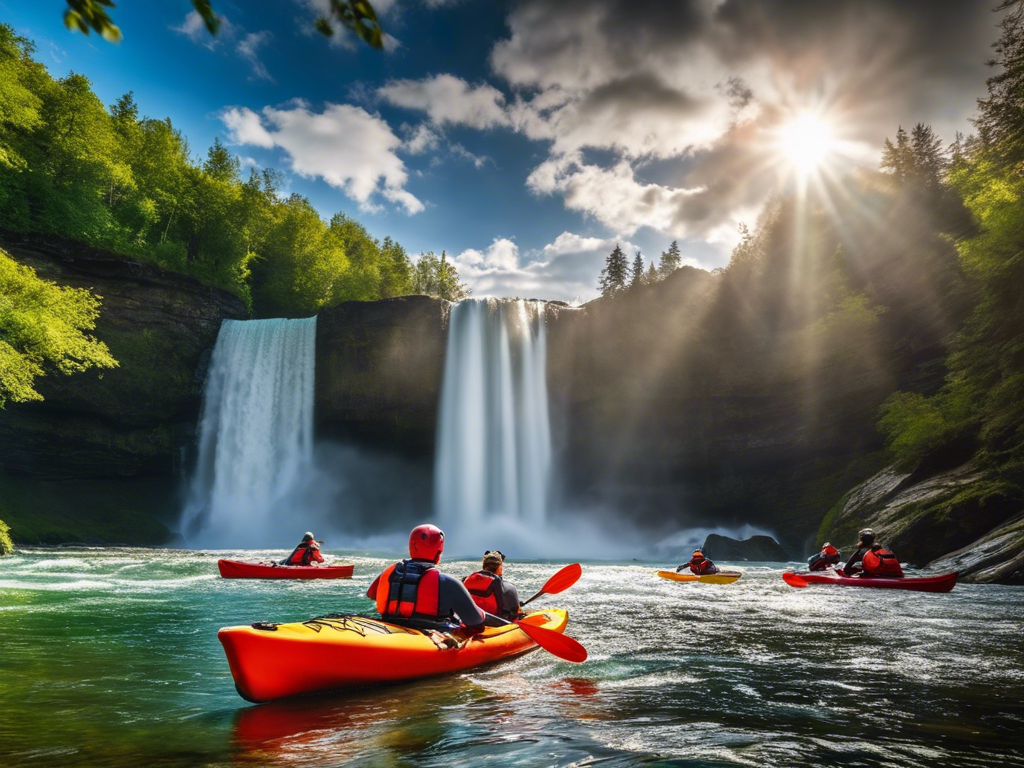
Ever craved a dash of adrenaline coupled with awe-inspiring vistas? Adventure tourism’s your ticket to that electrifying buzz! Imagine rappelling down cascading waterfalls or trekking through untamed forests; it’s the ultimate escape from the humdrum of daily life.
But wait, there’s a flip side too. While you’re chasing thrills, it’s crucial to ponder the impacts – both the exhilarating personal gains and the potential strain on local ecosystems. In this article, you’ll dive into the pros and cons of adventure tourism, ensuring your next escapade is not just breathtaking but also conscientious.
Advantages of Adventure Tourism
Embarking on an adventure tour isn’t just a break from your daily grind, it’s a gateway to personal growth. You’ll find yourself immersed in novel situations that demand creativity, resilience, and problem-solving. The challenges you overcome while scaling jagged cliffs or navigating through dense foliage enrich your soul and broaden your perspective.
- Bolster your physical health
- Enhance mental wellbeing
- Fosters cultural exchange
As you trek, paddle, or cycle, you’re not just moving through the landscape; you’re bringing vitality to every limb and muscle in your body. The great outdoors is the ultimate gym, where the fresh air is your breath of life, and the natural terrain your treadmill. Studies show that participating in physical activities, especially outdoors, provides tremendous health benefits, reducing risks associated with sedentary lifestyles and chronic diseases.
But it’s not all about the physical—your mental fortitude flourishes too. Adventure tourism acts as a catalyst for stress relief, all while supplying your brain with a healthy dose of dopamine and adrenaline. That rush of conquering a mountain isn’t just a fleeting moment of triumph; it’s a step toward a more resilient you.
Moreover, adventure tourism connects you with far-flung cultures and exotic locales. It’s a kaleidoscope of customs and traditions, a chance to meet locals and dive deep into their way of life. This isn’t just about snapping pics for memories; it’s about exchanging smiles, stories, and perhaps a meal, as you form connections that transcend boundaries.
In these interactions lies the seed of global understanding and responsible tourism. Recognizing our shared humanity, you become a spokesperson for destinations that might otherwise remain voiceless.
Your forays into the unknown are also opportunities for profound self-discovery. Each journey maps out a bit more of who you are, revealing character traits you never knew you had. The confidence and experience gained through these adventures are tools you’ll carry, ready to tackle not just remote terrains but life’s everyday hurdles.
Disadvantages of Adventure Tourism
Sure, plunging into the unknown perks up your spirit, but adventure tourism isn’t all sunshine and adrenaline. Imagine you’re on a cliff edge, the view’s a stunner, but lurking in your mind is the shadow of risk. High-octane endeavors inherently come with their share of hazards. Sometimes the danger’s minor, a scrape or a bruise, but there are moments when thrill-seekers face perilous situations that can escalate to life-threatening in the blink of an eye.
Picture tackling a rugged trail, and the impact isn’t just on your soles but also on the environment. Adventure tourism often leads to ecological footprints that Mother Nature can do without. Pristine environments face the threat of pollution and habitat disruption. Trails erode, wildlife is disturbed, and the once untouched beauty of remote locales suffers under the heavy tread of outdoor enthusiasts.
Then there’s the economic puzzle. Local economies may initially dance to the tune of rising tourist dollars, but it’s not always a sustainable symphony. When the peak season dwindles, residents are left grappling with the expenses of catering to a boom-and-bust cycle. The investment in infrastructure to support a wave of intrepid visitors doesn’t always pay off in the long run, casting a financial shadow over communities.
Socio-cultural impacts can’t be sidelined either. You’re diving into cultures with the zeal of Marco Polo, but your presence might inadvertently dilute the very traditions you’re there to experience. While the sharing of cultures can be a beautiful exchange, the adverse effects include commodification of local customs and potential cultural erosion.
Lastly, let’s talk health. Sure, adventure feeds the soul, but it can also tax the body. You’re vaulting over rocks or scuba diving into the deep blue, yet these activities can lead to injuries or exposure to health hazards that the average clinic back home may not know how to treat.
- Safety Risks can range from mild to severe.
- Environmental Degradation includes pollution and habitat disturbance.
- Economic Instability poses challenges for local communities.
- Cultural Disruption can lead to loss of authenticity.
- Health Concerns arise from potential injuries and illnesses.
Personal Gains of Adventure Tourism
Imagine yourself atop a craggy peak, your lungs filled with crisp, invigorating air. This isn’t just a vacation—it’s a transformative journey. Adventure tourism beckons the spirit of the explorer within, offering personal enrichment far beyond the scope of ordinary travel.
In the thick of nature’s vast playground, you’ll uncover aspects of your character you never knew existed. Resilience, courage, and the capacity for awe—are yours for the taking. As you conquer rapid rivers and navigate mysterious trails, Self-discovery becomes the ultimate trophy.
The benefits to your mental health are colossal. Studies suggest that engaging with the great outdoors can slash stress levels and banish the cloud of daily routine, ushering in a renewed sense of Vitality and Mindfulness. Whether it’s the serenity of a secluded beach or the adrenaline rush of a bungee jump, these moments can recalibrate your inner compass.
Let’s not overlook the physical perks. Adventure tourism is an invitation to challenge your body, to push your limits and build a temple of strength and stamina. It’s a holistic workout, where each step, paddle, or climb contributes to a fitter, more robust you.
And then there’s the social angle—forming bonds with fellow adventurers can be deeply rewarding, engendering friendships steeped in the unique camaraderie that only shared challenges can forge. These connections often extend beyond the journey, providing a network of like-minded souls across the globe.
By immersing yourself in different cultures, you also gain valuable insights. It’s about more than snapshots and souvenirs; it’s about expanding horizons and embracing diversity. Each interaction, each shared smile, enriches your worldview.
As you navigate the globe, seeking out both the untamed and the untouched, every escapade writes a page in your personal anthology of experiences—stories you’ll recount with a twinkle in your eye, long after the journey’s echoes have faded.
Ecological Impact of Adventure Tourism
Adventure tourism often treads a delicate balance between exhilaration and conservation. You’re not just a spectator of the majestic wilderness; you’re an active participant in its narrative. But with every step you take off the beaten path, you’re etching your mark on nature’s canvas.
Imagine helicopter blades chopping through the tranquility of a mountain range or scuba fins unsettling coral kingdoms. These are not idle experiences; they carry weight. Each foray into the unknown has a ripple effect, shaping ecosystems in ways that are often overlooked. Your quest for the thrill of the extreme can inadvertently trample on habitats, disrupt wildlife patterns, and strain resources.
But here’s the twist: adventure tourism can also be a champion for the environment. It’s a potent catalyst for conservation efforts. When done responsibly, it raises the curtain on the consequences of human negligence, inspiring eco-friendly practices. You become an ally, fostering a symbiotic relationship with the landscapes you explore. Sustainable adventure outfits are sprouting up, investing in the very environments they showcase, ensuring the thrill of discovery for future generations.
Vital Statistics of Ecological Change: it’s not just anecdotal; it’s quantifiable. Ecotourism and sustainable adventure tourism can lead to a significant decrease in pollution and habitat destruction. Take a gander at the numbers:
| Impact Factor | Conventional Tourism (%) | Eco-Adventure Tourism (%) |
|---|---|---|
| Waste Reduction | 10 | 70 |
| Energy Conservation | 15 | 55 |
| Preservation of Local Habitats | 25 | 80 |
| Support for Conservation Funds | 20 | 85 |
These stats ignite a sense of urgency and responsibility. You have the power to tip the scales, to be a part of a transformative movement that doesn’t just seek thrill but treasures the very ground it treads on.
So, dive into the adventure, but carry with you the torch of ecological mindfulness. Think of the footprints you leave behind — not just in the soil, but in the lives of the flora, the fauna, and the future.
Finally
You’ve seen how adventure tourism isn’t just a thrill—it’s a chance to grow and give back to the planet. By choosing to tread lightly and embrace sustainable practices, you’re stepping into a role far greater than that of a mere traveler. You’re becoming a guardian of the wild spaces you explore! So pack your bags with care, your adventures await, and remember: every step you take can help preserve the beauty of our world for generations to come. Let’s make your next journey one that truly makes a difference!
Frequently Asked Questions
What is adventure tourism?
Adventure tourism is a type of travel that involves exploring or traveling to remote and exotic locations, where the traveler can participate in physically challenging activities and experiences.
What are the personal gains from adventure tourism?
Personal gains from adventure tourism include improved physical fitness, enhanced mental well-being, increased self-confidence, life skills development, and the joy of experiencing new cultures and environments.
How does adventure tourism affect the environment?
Adventure tourism can have both positive and negative effects on the environment; activities may lead to habitat disruption and pollution, but responsible practices can minimize harm and contribute to conservation efforts.
What are the essential responsible practices for adventure tourists?
Responsible practices include following leave-no-trace principles, respecting local wildlife and cultural norms, using eco-friendly travel options, and supporting local conservation projects.
Can adventure tourism actually help the environment?
Yes, when done responsibly, adventure tourism can support conservation efforts, reduce pollution, and contribute to the preservation of natural habitats through ecotourism initiatives and conservation funds.
What is the role of tourists in sustainable adventure tourism?
Tourists can play a critical role by making conscious choices that reduce their ecological footprint, such as selecting eco-friendly tour operators, minimizing waste, and contributing to local conservation programs.


